August 25, 2026
Alcohal Cravings
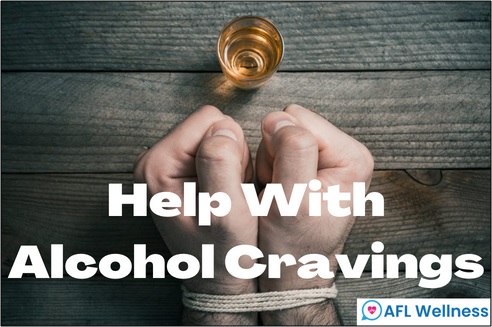
Alcohol cravings can be very intense initially, but the good news is that they only last for a short period. If you learn to distract yourself, they will pass before you know. Below we will discuss some ways you can manage sudden cravings, how to help an alcoholic partner and a glimpse of the rehabilitation process.
How To Deal With Alcohol Cravings?
Coping tips can absolutely offer short-term solutions when you’re trying to cut back on alcohol. Taking time to explore the specific people, places, and situations that cue your urge to drink can make a big difference. When we encounter things that remind us of a drinking episode, we can experience intense alcohol cravings.
When an individual tries to cut down on alcohol intake or stops its use completely- Managing cravings lies at the heart of the process. When a craving strikes, it is pretty intense - a good step would be to acknowledge this craving and intellectualize that it will rouse and surpass in a few minutes. Researchers state that a typical craving lasts for three to five minutes. Other strategies to adopt in the moment of intense cravings include:
Distracting oneself: A distraction can occupy one's thoughts, serving as an alternative to focusing on alcohol cravings. One can keep a list of distractions to turn to handy; it could include the following activities:
- Listen to music and groove
- Read a chapter from a book
- Connect with nature - go for a walk
- Watch something comical - a movie, stand up, or reading comics
- Prepare a snack or a beverage
- Household chores - clear the clutter, or rearrange your desk
- Try mindful colouring
- Indulge in your hobby.
- Meditate
- Take a shower
Connect with a friend: getting in touch with a friend in the same boat as you might help fight the alcohol craving. Even if there are no such individuals around, one can certainly reach out to a friend or family member who can offer emotional support. Even 15 minutes of conversing with a friend, sharing your daily experiences, or catching up on the news can pass cravings before you realize.
Live in the moment: stressful events or pent-up issues might fuel alcohol addiction more often. You can practice some mindfulness exercises to soothe yourself. A few activities that can help you become more aware of your surroundings include:
- Relaxation approaches and heavy breathing exercise.
- Ground approaches
- Physical and mental exercise such as yoga and meditation.
- Environmental variations
Embrace curiosity: rather than running from distractions, another approach to deal with it is to face them with curiosity. Ponder on points like - "what would happen if I don't give in to this craving," this would make one more conscious andhelp stop drinking alcohol.
How to Help an Alcoholic Partner?
It is best to approach a partner to understand their problem and awareness of what they are experiencing. Make sure the following when discussing their alcohol addiction:
- Select an appropriate place and time to discuss- A secluded space is ideal while your partner is sober.
- Refrain from using a tone of accusation or blame. Such as, - "you need to change; you are spoiling things; why don't you get help."
- Instead, use I-statements that have a collaborative approach, such as, "I've been feeling these things; I'm here to support you; I'm all ears." This can make your partner feel convinced that you will support them.
If your partner agrees to visit analcohol abuse treatment centre, you can ask them if they want you to accompany them. Some individuals prefer going alone, whereas some require support from a loved one.
TheBest Alcohol Rehab Centre In Indiaprovides a personalized treatment plan that combines medications, psychological interventions, and indigenous therapies. Throughout the journey, you can support your partner by being patient with them, motivating them, and learning the rehabilitation process.
Here is a glimpse of the rehabilitation process offered:
Medication to stop alcohol cravings: medications are used in the rehabilitation process to ease the discomfort of withdrawal symptoms, to control the cravings in theAlcohol Detoxification Treatment. Medications commonly used in this treatment include:
- Naltrexone - binds the endorphin receptors and blocks the effects of alcohol. This reduces the cravings of alcohol consumed.
- Acamprosate restores the imbalance in brain chemistry due to prolonged alcohol intake and eases the withdrawal symptoms.
- Disulfiram does not directly reduce cravings but creates an aversion towards alcohol consumption. When you are on this medication and consume alcohol, you'll experience unpleasant feelings such as nausea, headache, sweating, etc.
When combined with medications, psychological interventions result in long-term changes in alcohol addiction. Interventions and counselling therapies can offer:
- Resolving issues that trigger you to take on alcohol
- Exploring ways to manage stress and triggers that lead to alcohol cravings
- Identifying and helping other issues one tries to cope with the help of alcohol
These therapies also teach an individual healthy coping styles and mindfulness strategies to manage stress and challenge negative ideations and beliefs associated with alcohol intake.
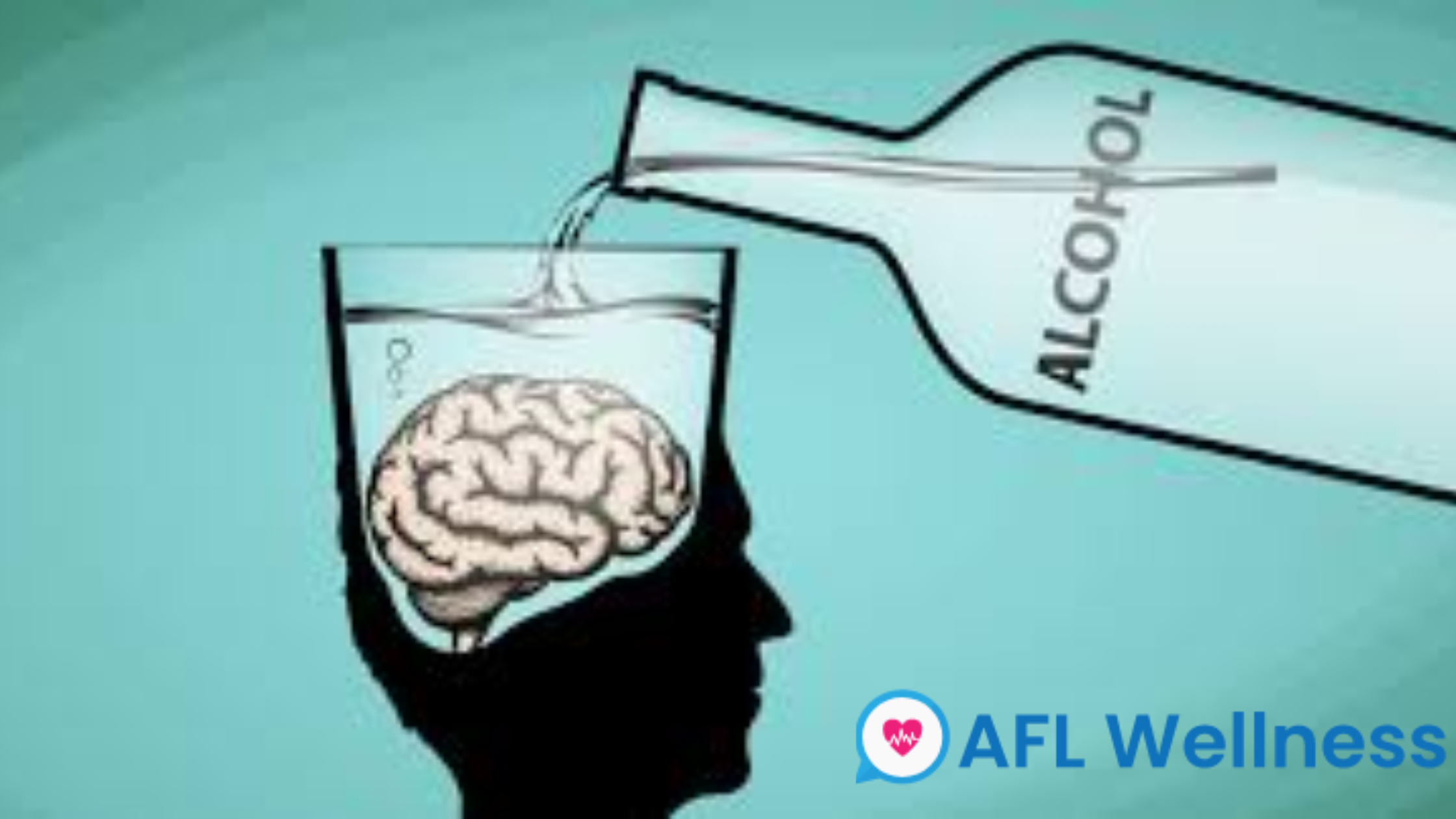
These changes can lead to tolerance, or a need to drink more in order to feel the same effects. They can also leave you more sensitive to alcohol addiction and raise your risk of withdrawal symptoms.
When not drinking, you might begin to notice feelings of anxiety or other mental illnesses and emotional distress, along with strong alcohol addiction.
Alcohol cravings are common, especially when you first try to change your drinking habits. It could take some time and effort to find a strategy that helps you navigate them effectively, but you do have plenty of options for support.
Counselling therapy, medications, alcohol detoxification treatment and recovery programs can all have benefit for reducing and preventing cravings. Combining medication with therapy and other interventions can prove even more helpful than medication alone.
Remember that you don't have to go through it alone; connecting with a mental health professional or joining the best rehabilitation centre in India can make all the difference.